
All About Homeschool Socialization (Or, How Do You Make Friends If You are Homeschooled?)
One of the most common questions that I get asked as a homeschool mom is this: Do homeschooled kids have friends? Aren’t your homeschooled kids lonely? But, homeschool socialization is actually one of the reasons why I love homeschooling my kids! My kids have plenty of friends, and they aren’t lonely. Here’s how we do it (and why homeschooling is so much better for socialization than public school).
What is Homeschool Socialization?
Socialization is the process of getting to know other people. It’s how we learn to behave in a way that our society accepts. Through the process of socialization, we learn the behaviors and values of our culture. This is a process that continues throughout our lifetime. Primary socialization happens in childhood when kids see how we respond to a situation and form their opinions, values, and attitudes. Anticipatory socialization is when we practice for a future event- like learning about a career. And resocialization happens when life events cause us to change our views.
Do Public Schools Socialize Kids?
People assume that kids who go to public schools are being socialized. But there are a few problems with socialization in public schools. Here are the top 4 problems that homeschool families can avoid by socializing their kids outside of the public schools:
1. Not enough time for socialization.
Public schools are focused more and more on academics as pressure to get good standardized test scores increases. For a large part of their day, public school students must work independently and not to talk to their classmates. Because homeschooled kids aren’t in a classroom, they can talk while they work without disruptingother kids. In addition, homeschool parents often choose to homeschool one or more subjects together as a family. This gives kids even more opportunities to work together with their siblings.
2. Only socializing with kids their age.
In public schools, kids are divided into classrooms with other kids their age. This means that most of their socialization opportunities are coming only from kids that are the same age as them. In our definition, we said that socialization happens when kids learn how to behave and respond to situations. But, how does this happen? Most teachers are focused on teaching the academics. So kids are going to learn to behave mostly from other kids that are the same age and maturity level as them.
In addition, outside of the public schools, there are almost no other times in life where we are socializing only with people our same age. Almost all real life situations require us to work with people who are older or younger than us. Homeschooled kids spend much more time around people of all different ages. This means they have more opportunities to learn how to interact with people of a wide variety of ages.
3. Exposure to bad influences.
The culture of a kid’s environment in the public schools is outside of a parent’s control. Kids will likely be exposed to things through conversations with others that we may not be comfortable with them knowing. Homeschool socialization allows parents to have more control over the social situations that they choose for their kids and the influences that their kids are exposed to.
4. Bullying.
For some kids, school can be a very negative social experience. Bullying, teasing, exclusion, and other mean behavior is rampant in some public schools today. Many adults can tell horror stories- especially about their middle school years- about situations that have negatively impacted their self worth. If it didn’t happen to you, it probably happened to someone you know. Instead of exposing our kids to that kind of environment, homeschool parents have the opportunity to look for intentional positive influences in the lives of their kids.
Is Homeschool Socialization Any Better?
Research shows that it is! Check out this quote from Stetson University researcher Richard G. Medlin, from the research paper “Homeschooling and the Question of Socialization Revisited“:
Compared to children attending conventional schools, research suggests that (homeschooled children) have higher quality friendships and better relationships with their parents and other adults. They are happy, optimistic, and satisfied with their lives. Their moral reasoning is at least as advanced as that of other children, and they may be more likely to act unselfishly. As adolescents, they have a strong sense of social responsibility and exhibit less emotional turmoil and problem behaviors than their peers. Those who go on to college are socially involved and open to new experiences. Adults who were homeschooled as children are civically engaged and functioning competently in every way measured so far.
How Does Homeschool Socialization Work?
There are so many opportunities out there for homeschoolers to make friends! Your child does not have to be lonely just because they are homeschooled! But, homeschool parents do have to be intentional to make sure they are providing enough opportunities for their kids to meet friends. Here are a few ideas:
Look for extracurricular or enrichment activities
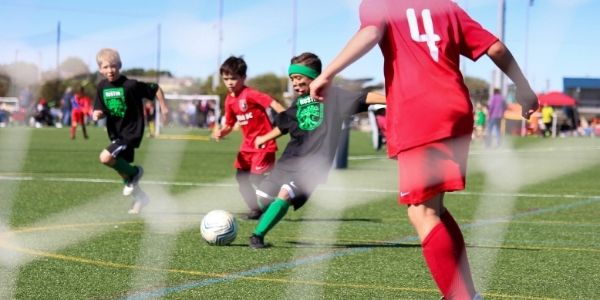
One of the best ways for homeschoolers to make friends is with participation in extracurricular activities. These could include:
- Sports teams
- Individual sports like martial arts, archery, golf, etc.
- Swimming lessons
- Music lessons or groups
- Dance lessons
- Art classes- drawing, crafts, pottery, sewing, etc.
- Drama groups or clubs
- Church events- Sunday school or clubs
- Girl or boy scouts
- Book clubs
- Small group lessons (ie, horseback riding)
- Cooking classes
- Foreign language lessons
- Educational clubs: STEM, chess, etc.
- First Lego League
- Play groups
Many of these activities will give kids a chance to meet friends who share their interests. Some of these activities will also give kids experience in a classroom setting. There they can learn to do things like follow directions from a teacher, wait their turn, or share with classmates.
Find a Homeschool Co-op
A Homeschool Cooperative, or Homeschool Co-op, is a group of homeschool families that work together to accomplish common goals. The size and setup of each homeschool co-op will be a bit different. Usually co-ops meet to provide classes or enrichment activities for homeschoolers to do together. Sometimes parents in the co-op will teach the classes, or the co-op may work together to pay a teacher for their kids. Co-ops are a great for homeschool socialization because they allow homeschooled kids to meet new friends. They also provide access to classes and experiences that homeschoolers could not get at home.
Join a Local Homeschool Group
A great place to find local homeschool groups is through a search on Facebook. These groups are great for finding support in answering specific questions. They are a great place to ask questions about your state’s specific homeschool laws. Some homeschool groups will organize meetups or activities for families to participate in. One common activity is the homeschool park day, where groups will schedule a time for families to meet at a park or playground for fun and connections. Local homeschool groups sometimes organize group field trips as well. The group can use its size and connections to get access to tours and activities that individual families might not be able to do on their own. This is a great way to find fun activities to do with your kids!
Create a Homeschool Pod or Microschool
Another option is to look for a few other homeschool families in your area and create a homeschool pod. This is a group that works together to educate their kids. The group may share responsibilities for teaching different subjects among the parents in the group, or may hire a teacher for their kids together. Homeschool pods are usually smaller than co-ops and often meet in families’ homes. This gives parents more even more control and flexibility over what is taught. Families who are considering setting up a homeschool pod should communicate their expectations in advance. It is important that all the families are comfortable with what is being taught and how responsibility is being divided.
Look for Community Classes
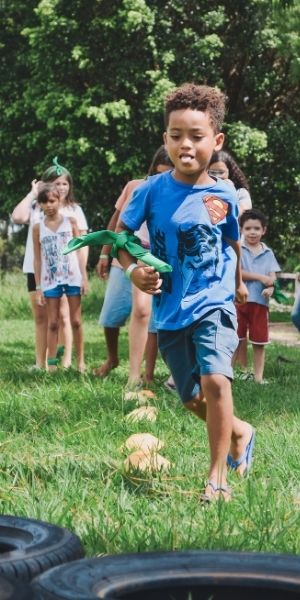
Local libraries, museums, zoos, or other organizations often offer classes for kids. These are a great resource when looking for enrichment activities for homeschoolers. You can search the websites of the organizations, ask in local mom groups, or check with friends to see what classes they have found. These classes can be a great way for homeschoolers to meet other kids who share common interests, while learning a new skill.
Homeschool socialization- like any socialization- is not easy these days! What are you doing to help your kids stay connected?



I had never really considered homeschooling until covid. Now I’m seriously considering it. I’ve been watching your blog to help me make an educated decision.
One of my best friends in high school was homeschooled, and her parents had her participating in sports teams and volunteering to have social interaction. This is a very insightful post! Definitely something to think about for the future with the virus and whatnot.
Yes, such great points! I say this all the time! Our son is enrolled in a charter school, but primarily homeschooled, and he (and my husband and I) enjoys all of his social interactions. Homeschooled kiddos are most often able to socialize with all age groups, not just their targeted age group, and usually in a natural setting. Plus, we get schooling done in a shorter period of time, allowing for more playtime.
Hi Iris! Yes, it’s definitely something that a lot of people are having to make difficult decisions about these days.
Hi Alyssa! There are so many people who are considering homeschooling for the first time right now, you are definitely not alone! I’m glad I can help 🙂 Please let me know if you have any questions I can answer!
Hi Bennett! Yes! There are so many advantages to homeschooling that not many people know about 🙂 So glad that it’s going well for your family!
You know, I’ve been thinking about going the home school route but was worried about this exact thing. Thank you so much for clarifying it
As a former public school teacher, I absolutely agree that public school is not an ideal place for kids to get some socialization. I cannot tell you how frequently I heard my colleagues in the breakroom complain about kids “socializing” in class. I get that we would have preferred that they focus on the assignment, but it seems a little unreasonable to expect kids not to want to share pieces of their lives with their peers outside of the lunch room.
This is always one of the first questions that pop up when speaking to other people isn’t it? I think most people don’t understand how effective socialising in a homeschool setting can be especially when kids have proactive parents like yourself. My kids, like yours I’m sure, are able to just go up and talk to anyone regardless of their age and are really good at making friends in new environments, mostly thanks to homeschooling and being able to mix with different people throughout the week. Such a good post!
I thought about homeschooling my daughter but I realised that I have no clue of what I am doing. So this helps. thank you for sharing.
I questioned the idea of homeschooling for so long. Although we went with public school for our oldest, I’m currently homeschooling our toddlers. We continue to socialize the little ones whenever we can
while i am not sure i can homeschool now (with my older a senior in highschool and my younger a freshman there), this definitely helps..
I totally love this post and I’m so glad you shared such wonderful tips here. Looking at the current scenario, homeschooling has become my go-to option. These tips will definitely help me going forward.
I have always wondered about this. I am definitely looking into these tips you mentioned as I want my future homeschooling son to enjoy his social life! 🙂
The concept of home schooling is the perfect solution during this panademic. You have well explained the benefits of home schooling and the process. Great post, welldone!
Hi Angeline, It’s never to early to get ideas! 🙂
Hi Preetjyot! It’s definitely a timely topic. Glad I could help!
Hi Elisa! Thank you! Yes, I am amazed too at the way my son makes new friends just about anywhere. I wish I had his confidence!
Hi Monica! I’m glad this helped! 🙂
Hi Jacqueline, Yes!! I was also a public school teacher and I can totally relate. I think it comes down to how many kids are in the classrooms- even if each kid just talks a little, that turns into a lot of talking and can be really disruptive! It’s so hard for the kids though!
Thanks, Puja! I am really grateful for homeschooling right now. It is a pretty ideal option!
Hi Vidya, It’s definitely more of an adjustment to get started with older kids.
Hi Fatima! I started homeschooling my kids when they were toddlers, too. Socialization is definitely important no matter what the age!
Hi Sonia, I felt that way at first too. Remember that you were your daughter’s first teacher, and you know more about her than anyone else! You are more capable than you know 🙂
I’ve always wondered if homeschooling children were able to be socialized enough. So glad there are a plethora of opportunities available for socialization.
Hi Bri! It’s one of the biggest questions that everyone wonders about for sure.