
Homeschooling a Child with Dyslexia: How to Raise Children With Dyslexia to Love Reading
As a homeschool parent, raising a child with dyslexia can be a challenge. When your child struggles with reading, how can you make reading fun for them? When homeschooling a child with dyslexia, some extra wisdom and patience are required. Below are some tips for raising children with dyslexia to love reading.

This post contains affiliate links and I may earn a small commission when you click on the links.
All my children love books. Some of them learned to read early on while others struggle with reading to this day. But even the child who gets easily frustrated with the mechanics of reading often asks me to read a book aloud. That same child loves going to the library and can spend an hour choosing books there, even though the books we end up bringing home are much beyond that child’s reading level. My children know that they don’t need to be fluent readers to enjoy books. In our home, reading is a family activity that anyone can participate in – and have lots of fun with!
Benefits of Homeschooling for Dyslexic Kids
Although homeschooling dyslexic children can provide an extra challenge, there are many reasons why homeschooling can be the best solution for kids with dyslexia. Here are some reasons why you might want to consider homeschooling for your dyslexic students.
Individualized Attention
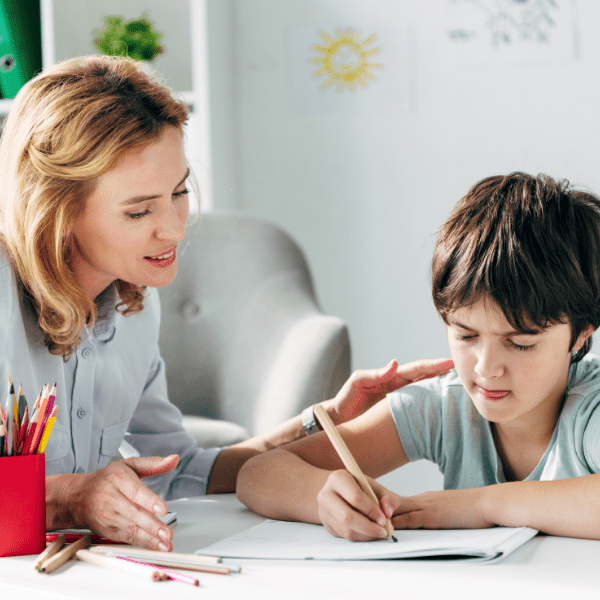
One of the best things about homeschooling a child with dyslexia is that you can provide individualized direct instruction to meet your child’s unique challenges. Home learning is often the best option because it allows parents to focus on providing the early intervention their struggling learners need to learn how to read.
No Comparisons
Another important thing to consider is the amount of comparison that happens in the public school system, or even in private schools. Kids are constantly compared to others at their grade level, and this can be especially discouraging for a struggling reader.
Work at Their Own Pace
Another reason why homeschooling is often the best path for students with learning difficulties is that it allows parents to focus on the individual educational needs of children, and to help them work at their own pace. Kids can avoid the rigid scheduling of public schools and instead learn at a pace that meets their unique needs.
Incorporate Multisensory Learning
Often, the dyslexic brain can get the best results through multisensory learning. That means when introducing a new concept, kids with dyslexia often learn best when they can integrate visual, auditory, and kinesthetic learning methods at the same time. Each child’s learning style is unique, and the best homeschool curriculum will allow parents to create lessons that help their child with a learning disability to learn in the way that helps them learn best.
Makes Learning Fun
One of the most important benefits homeschooling provides over traditional schools is that it allows parents to make learning, and reading, fun for their kids. Whether it’s using a exploring the benefits of sensory play and using a multisensory approach to lessons or learning through life experiences like field trips, homeschooling is often the best way to inspire a love of learning in your student.
Raising a Child with Dyslexia to Love Reading
What if you could not only teach your homeschool students with learning disabilities to read, but you could also help them love reading and learning? Here are some tips to help.
Create positive associations with books
Our house is full of books. Our built-in bookshelves are overflowing. The moment you walk into my house, you know that this is a place where books are loved and appreciated. Our children pick up those sentiments from a very early age.
With my oldest child, I began reading books to her before she could walk. My younger children watched me read to their older siblings and joined the excitement as babies. By the time my kids were toddlers, they grew to associate books and reading with smiles, cuddles, and lots of love.
As my children got older and moved on from picture books to chapter books and novels, they began to appreciate suspense and plot twists. They would beg me to keep reading because they wanted to know what happened next. We would discuss the characters and their adventures, and my children would sometimes make unexpected points that I wouldn’t have thought of.
It is important to help kids build solid connections with books when they are younger, and this is a beautiful thing that homeschool families can do for their kids on a daily basis.
Family read alouds
The next important component of raising children who love reading is family read alouds. I don’t stop reading books to my children when they learn to read on their own. All the more so, I continue reading aloud to my children with dyslexia well into their teen years.
Reading aloud is a family affair. This is important because for as long as the book lasts, everyone in the family is discussing the same characters and trying to predict what would happen next. Children with learning differences and dyslexia are on equal footing with their non-dyslexic siblings. They are fully included in the fun.
Compensating for reading difficulties
Of course, there is only so much time for the family to read books together. The bookworms in the family are reading a lot more on their own. They might even be discussing the books they are reading with the other family members.
If children with dyslexia also express interest in those books, it’s important to find ways for them to access the books. If the books are above their present reading level, they can listen to audiobooks. That way, they get to enjoy books on their own, without anyone’s help. And then they can participate in family book discussions.
You can also provide your children with dyslexia-friendly learning materials. And of course, there are always videos, on just about any subject your child might be interested in.
It’s Ok to Be Different
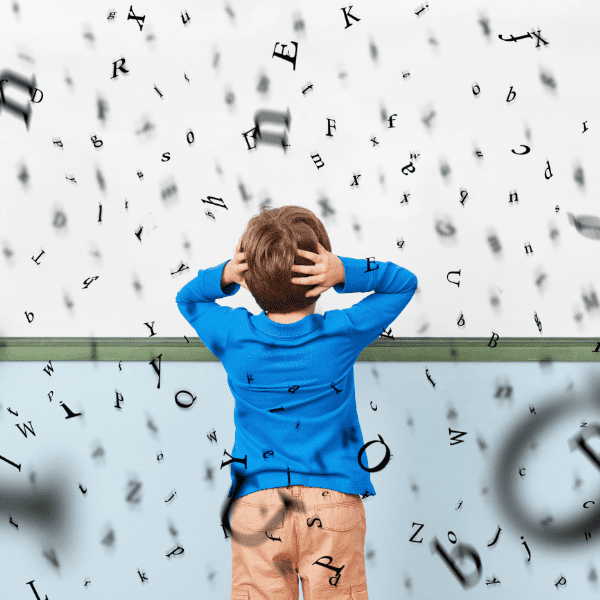
Another point worth mentioning is that to maintain our children’s love of books, we must avoid putting pressure on them when it comes to learning how to read on their own. Phonemic awareness and reading skills will come with time. We want our children with dyslexia to enjoy books. We want them to have positive associations with reading. Under no circumstances would we want our children to associate books with feelings of inadequacy or failure.
The message we want to convey to our children with dyslexia is that it’s OK to be different. Some children learn to read fast while others take their time. It doesn’t matter in the long run. The good news is that everyone has their strengths and weaknesses. We can point out their strengths and help them use them and appreciate them. We can also talk about, or introduce them to, other people with dyslexia, and we can even read books about Dyslexia for kids. The goal is to normalize their struggles and let them know that they are not alone.
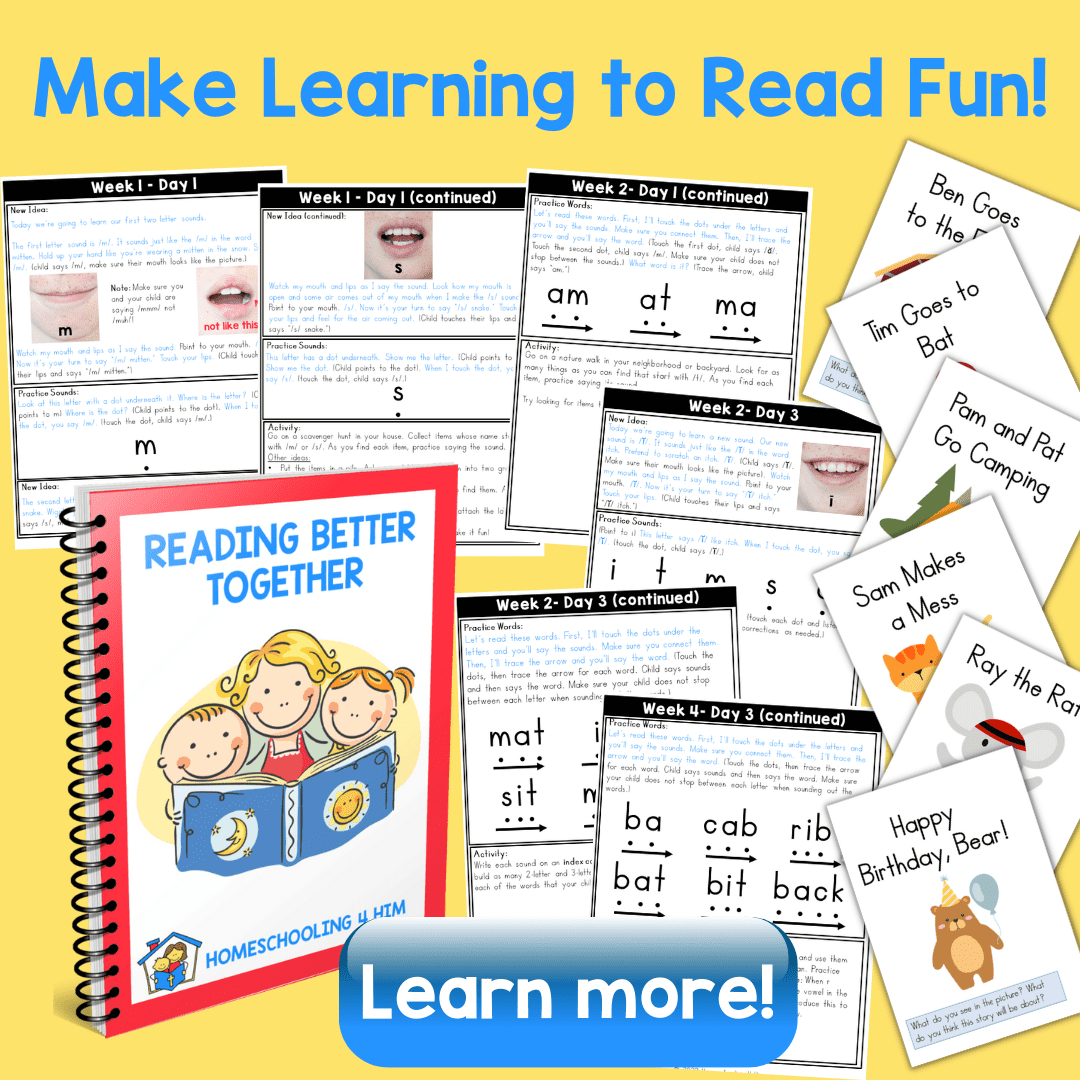
Multi-Sensory Reading Resources for Homeschoolers
Patience and More Patience
Homeschooling children with dyslexia is not easy. Sometimes we as parents come close to losing our patience. It might seem that a child has been stuck in the same place for too long. The truth of the matter is that our children’s growth is not linear. Sometimes it seems that they not making any progress, and then the next thing we know is they are making a huge leap forward. Our job is to support them in this process and to let them know, in no uncertain terms, that we believe in them.
When children with dyslexia don’t feel undue pressure to learn to read, they retain their intrinsic motivation. They are willing to work hard. And because they’ve been raised with a love of books, they eagerly look forward to reading books on their own, and therefore, give their all to learning to read.
One of my children with dyslexia is now a real bookworm. It took time, and much effort on her part, to get there. But when I see her curled up on the couch with a book, I know the effort was worth it.
Looking for dyslexia-friendly learning materials? Check out this free Dog Mini Adventure Study Unit from Homeschool Boost!
Thank you to Yehudis Litvak from Homeschool Boost for writing this guest post!
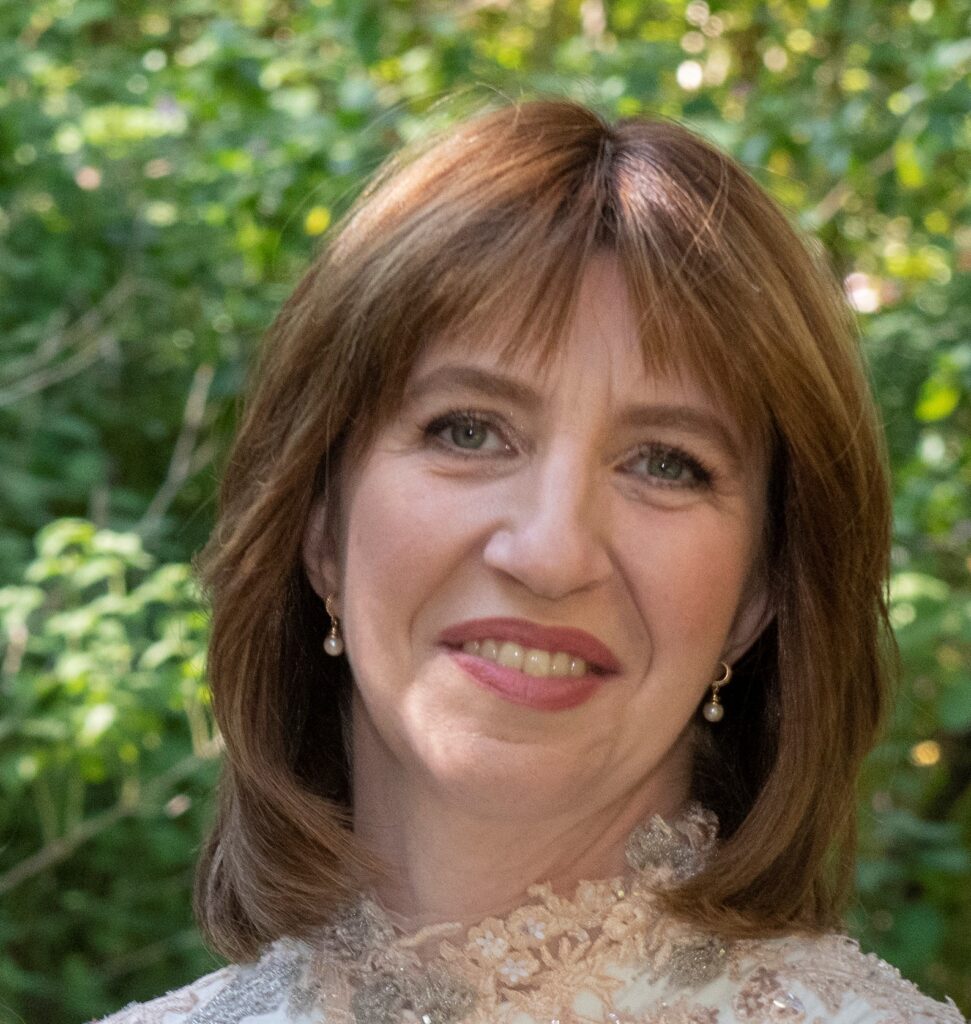
Yehudis Litvak is the owner of HomeschoolBoost.com, the host of Digital Homeschool Convention, co-founder of Ani VeAmi – the Jewish Living Education curriculum, and the author of its curriculum guides. She has been homeschooling for thirteen years. She is passionate about giving every child an opportunity to thrive socially, emotionally, and academically in a homeschool environment. Yehudis loves to read and write living books, and she is the author of a Young Adult historical fiction trilogy, as well as numerous short stories.


