How to Prepare Kids for Travel with Reading
The joy of discovering a new place together with your family is a great reason to travel, but it can be hard to prepare kids for the trip. A great way to prepare kids for travel is by reading about the location you will be visiting. In this post, you’ll learn how.

This post may contain affiliate links and I may earn a small commission for purchases made through those links.
Reading is a powerful way to give our children a window into all that is new. They can read to learn about a new place, imagine new characters, and soak up words to have new experiences through the people they meet on the page.
Travel offers a similar opportunity. The novelty of a new place, a new experience, the opportunity to meet new people is exactly what draws us out into the world. No wonder the two, reading and travel, complement each other so well.
One of the perks of homeschooling is the ability to make these explicit connections between what is read on the page and the places our children can visit. By following a simple framework you can make the most out of what kids are reading, and deepen the connection between reading and the real world.
This simple framework is the FREER Framework. Each letter highlights a simple step you can take to connect what your kids are reading to your travel experience.
F: Focus
Focus on the topics or the location you would like to cover. Our boys had done quite a bit of reading about Ancient Rome. When deciding what exactly about Rome to dive into there was so much to uncover! Would we explore through art, ancient mythology, government, science? With a location such as Rome, one could study religious history, art, and culture at the actual sites discussed in books! So zeroing in and creating focus helps bring clarity to activities we might make room for on our trip. For our children, they loved the history lessons most of all. So when we came across cheap tickets to Italy during the winter months we jumped on them and created a focal point around the history of ancient Rome.
Family members can work together to decide what activities to plan for an upcoming trip. Older kids can spend time reading to the younger children in the family about attractions in the specific location you plan to visit, and you can use your child’s interests to create a list of new things you want to explore on your next trip.
R: Research
Once we let the kids know about the trip our reading became that much more purposeful. We were trying to read as much as we could to develop a greater sense of what we wanted to see. This is where research comes into play. Research can take the form of both fiction and non-fiction reading. With Italy as our destination, our kids researched by reading everything from Ancient Rome for Kids, to City by David Macaulay, and Magic Tree House #13 Vacation Under the Volcano. You can also tailor this research to what your children are most interested in. For example, as our children showed more and more of a fascination with the events around Pompeii we realized we would need to incorporate a day trip from Rome to Naples and then out to the ruins of Pompeii itself.
As a family, spend at least a couple of weeks reading a variety of books about the location you will visit. Children of all ages can explore both fictional stories and non-fiction books to help them learn more about the location you will be visiting. Help kids notice their favorite books and favorite characters, and use these as clues to help you identify a new activity you would like to try or new foods you would like to taste. With a little preparation, you can create an itinerary that will help your whole family have a great time on your next family trip.
E: Exploration
From what you’ve researched, you and your children can begin to explore what you would like to see while on your trip. Exploration is a key part of involving your children in planning the trip and critically analyzing what they have read. Now you want to expand their reading to include appropriate city tourism websites, blogs, and “things to do with kids” lists. As you think about how you would like the itinerary of your trip to flow, you can contemplate what your children have been learning.
Our kids were interested in Julius Caesar and that meant a trip to see the Via Appia Antica, or “The Queen of Roads.” This is a fantastic activity with kids as you can rent bikes and ride along the road that Caesar so lovingly restored. Additionally, we couldn’t miss a trip to the Forum. Our kids were fascinated by walking “in the footsteps of Caesar” as we went through the Forum, just past the Coliseum, and there were numerous opportunities to discuss the characteristics of the ancient city’s government.
Kids can help with the research for your next family travel adventure, and this can help them take ownership of the trip planning. Kids can read about what amenities will be available in the hotel room, and they can help make a packing list with what travel items they will need. They can use a packing list, like these traveling essentials for toddlers, as a guide. They can even use a foreign language guidebook to learn key phrases in the local language.
Prepare Kids for New Experiences
Picture books can also be a great way to prepare young children for the new experiences they will have when traveling. It can be a good idea to read books about the new experiences they will have, so kids can feel a little bit better prepared for those experiences. Look for books about airplane travel before your child’s first time on an airplane. These books can help kids understand the process of airport security, and help them feel comfortable on big flights. Travel books about road trips can help small children feel more comfortable when traveling too. Plus you can take these books with you to make long flights with kids go quickly.
E: Engage
Don’t forget that travel can be not only a learning experience for your kids but also an opportunity for you to learn with them! You’ve engaged your children in the location through reading about it. Now, consider how you can engage in learning as well. Take a class together or join an educational walking tour as a family. These activities will not only extend what you’ve read but will also create amazing memories!
Our kids were not at all interested in Gladiator school, which is an often recommended activity to do in Rome with kids. But they were fascinated with a pasta-making class. Some of our best memories from the trip are the stories shared by our local chef and the meal we made together. While our chef was creating his recipe from memory, it provided an opportunity for us to dive deeper into reading recipes when we got home and tried to replicate some of the amazing food we had tasted!

R: Reflect
One of the best ways to create connections between what you’ve read and what you’ve seen is to set aside time for reflection each day. Provide your children an opportunity to expand on what they’ve read by creating that connection to what they saw each day on the trip. This can be as simple as asking “What was the best part of today?” or as detailed as a journal prompt that has connections to specific readings.
Kids might enjoy creating an activity book or writing in travel journals to help them remember the experiences they had on the trip. They can even do an art project like making a photo album of trip pictures. Photo books can be a great way for kids to share their memories from their family vacation with relatives and friends, too.
Remember reflection does not have to be written. It can be a video journal entry or a drawing linked to an experience. Reflection is an opportunity to bring ideas together, compare and contrast perspectives, and process what you’ve experienced during the day. The more you reflect and create meaning for those experiences the more likely you are to remember them for the long term and allow them to have a positive impact on your life.
Resources for Reading and Travel with Kids
Reading and Travel
With this straightforward framework, you and your family can get the most, not only out of what your kids read but also your family travels! Creating connections from readings to the real world through travel is one of the most rewarding things a family can share. So be sure to share your amazing travel experiences with us by leaving a comment on our website Travel with Intention. We can’t wait to hear from you!
If you are interested in more weekly tips on getting the most out of your travels you can subscribe to our Travel Goals Newsletter. When you subscribe you’ll get our most up-to-date Travel Goals Workbook that helps you better design your ideal travel experiences!
Thank you to Michelle Muncy-Silva from Travel with Intention for writing this guest post!
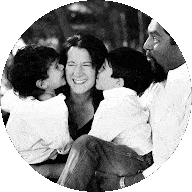
Travel with Intention is not the typical travel blog in that we move past the destination checklists and toward an idea that travel can be inspired. When you travel with intention, you’re creating something more than a trip, it’s an experience. Subscribe to our weekly newsletter to get more from your next adventure and you will automatically receive our free Travel Goals Workbook to start creating your ideal travel experiences!